
| Heads up — this post contains affiliate links. If you buy through my link I earn a small commission at no extra cost to you. I only recommend products I genuinely love! |
If you’re hunting for the best Minnesota state parks for hiking, you don’t need forty options. You need six that actually deliver: real mileage, real views, and trails that don’t punish a body that’s earned a few miles of wisdom. I’ve hiked every one of these parks myself, boots on the actual dirt. So this isn’t a list scraped from a brochure. Instead, it’s ranked by what matters most: trail length, terrain variety, and whether my knees forgave me the next morning.
Minnesota has 64 state parks. Honestly, most of them are lovely for an afternoon stroll. But only a handful give you enough trail to earn a good night’s sleep. These six are the ones I keep coming back to, season after season, for good reason.
What Makes the Best Minnesota State Parks for Hiking
Mileage matters, but it isn’t everything. A park can have twenty miles of trail and still bore you to tears if it’s flat the whole way. I’m looking for parks that mix things up. Think river gorges, lakeshore, prairie remnants, and at least a few hills that make you feel like you did something.
Footing matters just as much, especially once your knees start keeping score. Rooty, rocky trails are gorgeous, but they demand attention and decent footwear. Meanwhile, packed gravel and boardwalk sections give you a break. You get to actually look up and enjoy the view instead of watching your feet. The best parks on this list offer both options, so you can choose based on how your body feels that day.
One more practical note before you head out: every Minnesota state park requires a vehicle permit, whether daily or annual. An annual pass pays for itself after about five visits. So, if you’re planning to hit all six of these parks this season, buy the annual pass first. It’s one less thing to think about once you’re actually on the trail.
A quick safety note for solo hikers: cell service disappears fast once you’re deep in Superior National Forest or bluff country. Tettegouche and Whitewater both have real dead zones, so tell someone your plan before you head out. I always carry a paper map as backup, even on trails I’ve hiked a dozen times. Trekking poles help too, especially on Whitewater’s steeper sections where a wet root can end your day fast. None of this should scare you off. It should just get you prepared, because prepared hikers are the ones who come back for a second trip.
Gooseberry Falls State Park: The North Shore Classic
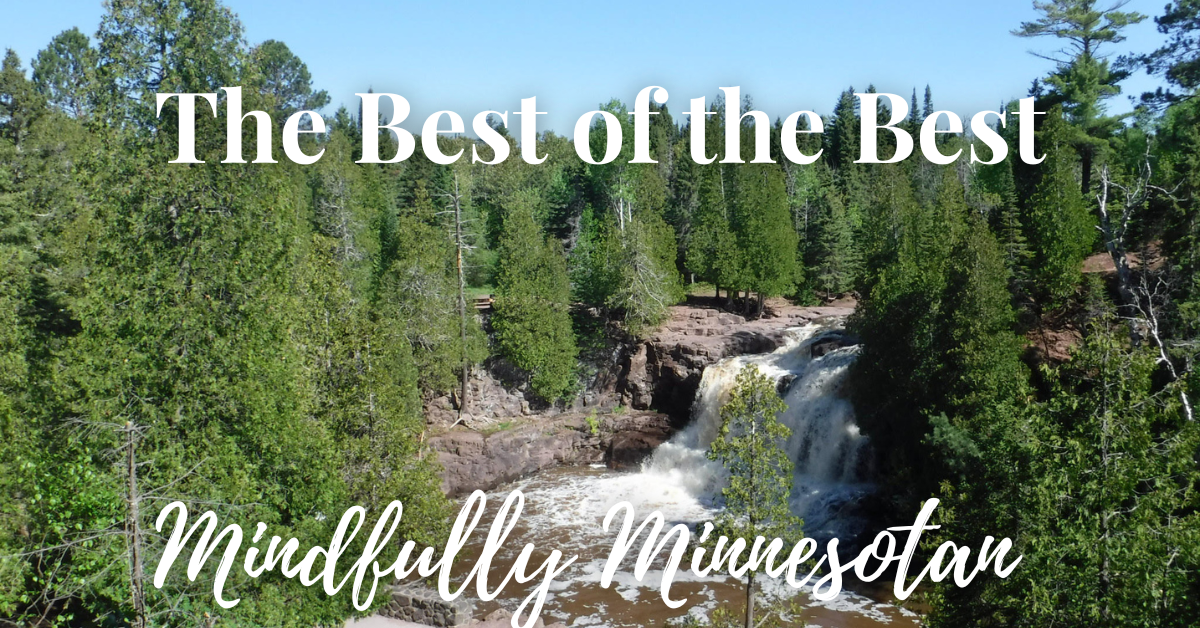
Gooseberry Falls is the park that made me fall in love with the North Shore. It’s still one of the best Minnesota state parks for hiking today. The park packs about 20 miles of trail into a relatively compact footprint. That means variety without a huge drive between trailheads.

The Fifth Falls Trail is the showpiece here. It loops past four separate waterfalls on the Gooseberry River, with river views nearly the entire way. The loop covers just under 3 miles, with about 300 feet of elevation gain, so it’s approachable without being boring. For a longer haul, the Superior Hiking Trail segment toward Wolf Rock stretches around 15 miles out and back. It winds through forest and river valley, and it’s a proper workout if you’re training for something bigger.
If you want pavement under your boots instead of roots, try the Gitchi-Gami State Trail. It runs right along Lake Superior for over 8 miles, connecting Gooseberry to nearby Split Rock Lighthouse. This flat, scenic route is a genuinely lovely option on a day when your joints are voting for something gentler.

Tettegouche State Park: Cliffs, Waterfalls, and a Little Drama
Tettegouche is the park I recommend when someone tells me Minnesota doesn’t have “real” scenery. Shovel Point is the star here. This short out-and-back trail, under a mile and a half, ends on a sheer basalt cliff 170 feet above Lake Superior. The payoff is enormous for the effort required.

High Falls, reached via the Superior Hiking Trail, is Minnesota’s tallest waterfall entirely within the state. It drops 70 feet into a rocky gorge. The trail there is moderate, with real elevation gain, but it rewards you with a waterfall that genuinely stops conversation. Palisade Head, just up the road, adds sweeping lake views with far less climbing. That makes it a smart pairing if you want big scenery without a big effort.
Between Shovel Point, High Falls, and the Baptism River trail, Tettegouche gives you drama without demanding a marathon. That balance is exactly why it stays near the top of my list every single year.

Jay Cooke State Park: The River That Runs the Show
Jay Cooke sits just outside Duluth, and the St. Louis River is the reason to go. The river tumbles through a rocky gorge here. A famous swinging bridge lets you walk right out over the rapids. It’s a little theatrical, and I mean that as a compliment.
The Carlton and Thomson Trail Loop covers about 5.6 miles with moderate elevation gain. It weaves along the riverbank with consistent water views the whole way. Silver Creek Trail is gentler, a 3.3-mile loop through forest that’s friendlier on tired joints. For hikers craving distance, a segment of the Superior Hiking Trail runs directly through the park. It connects to Jay Cooke’s own trail network for a longer point-to-point day.

What sets Jay Cooke apart is how the river stays close for nearly every mile. You’re rarely more than a few steps from moving water. On a hot July day, that matters more than you’d think. The visitor center also has trail maps and current conditions, so it’s worth a five-minute stop before you set out.

Itasca State Park: Ancient Pines and the Headwaters
Itasca State Park is Minnesota’s oldest state park. It holds two things nowhere else can claim: old-growth pines that predate statehood, and the headwaters of the Mississippi River. You can literally walk across the river here, and that novelty alone is worth the drive.
The North Country Trail runs through Itasca for roughly 14 miles. It threads through forest, past lakes, and along stretches of genuinely old timber. Budget real time for this one, since it’s a moderate route with steady elevation change. The Itasca Fire Tower Trail is shorter, about 2.5 miles out and back. It climbs to one of the highest points in the park for a view worth the ascent.
For an easier day, the paved Itasca State Park Bike Trail also works beautifully for walking. It’s stroller- and ADA-accessible for over 11 miles, which is great if you’re hiking with family who need gentler terrain. Few Minnesota state parks blend history and hiking quite like this one does.

Whitewater State Park: Bluff Country’s Best-Kept Secret
Whitewater sits in the driftless region of southeastern Minnesota, where the glaciers never flattened things out. That means bluffs, caves, and a trout stream running through a valley. Honestly, it feels more like Appalachia than the Midwest.
The Dakota Trail Loop covers 4.5 miles with over 1,000 feet of elevation gain. That makes it one of the more demanding hikes on this list. Chimney Rock and Inspiration Point add dramatic overlooks along the way. The valley views there will make you stop mid-sentence. If you’re up for a bigger day, combine the Campground, Chimney Rock, Dakota, and Coyote Point trails. That route stretches to over 6 miles and touches nearly every highlight in the park.
This is not a flat, easy park, and I say that with respect. Whitewater rewards hikers who want a real climb. The driftless scenery you get in return is unlike anywhere else in the state.

Afton State Park: Bluffs Above the St. Croix
Afton rounds out this list of Minnesota state parks for hiking, and I’ve already written a full guide to why it’s such a hidden gem near the Twin Cities. With around 20 miles of trail, Afton delivers prairie hilltops, trout streams, and river bluffs. All of it sits within a short drive of the metro.
It’s proof that you don’t need to head all the way to the North Shore for a genuinely great trail day. If you want the full breakdown of Afton’s trail system, I cover it in depth in my Afton State Park guide, linked here.

When to Go: Timing Your Hike Right
Late May through early October is prime season for all six of these parks. June brings green everywhere, but also mosquitoes, so pack repellent. September delivers cooler temperatures and thinner crowds. Plus, the North Shore parks put on a serious color show that month. Winter hiking is possible too, especially at Gooseberry and Jay Cooke, where groomed trails stay open. Just swap your boots for YakTrax once ice sets in. Whatever month you choose, check the Minnesota DNR website before you leave. Trail closures happen after storms, and nobody wants to drive three hours for a locked gate.
How to Choose the Right Park for Your Body This Week
Not every trail suits every day, and that’s fine. On days when my knees are cranky, I choose Gooseberry’s Gitchi-Gami State Trail or Itasca’s paved path over Whitewater’s climbs. When I’m feeling strong, Whitewater’s bluffs or Tettegouche’s Superior Hiking Trail segments give me the workout I’m craving.
The gear you wear matters just as much as the trail you pick. I’ve written honestly about the boots that survived the Superior Hiking Trail. There’s also the post about the trip where the trail truly tackled me back. Both will save you from learning the hard way, the way I did.
If you’re newer to hiking, start with Gooseberry Falls or Itasca’s paved trail. Both let you build confidence on forgiving terrain before you tackle anything steeper. If you’ve got real miles under your boots already, Whitewater and the Superior Hiking Trail segments at Tettegouche will actually challenge you. Traveling with grandkids or a stroller? Itasca’s accessible bike trail and Gooseberry’s Gitchi-Gami State Trail both handle wheels just fine. And if you’re hiking solo and want company on the trail without the company, Jay Cooke tends to draw a steady, friendly crowd of regulars.
Whichever park you choose, check current trail conditions before you go. Spring melt and summer storms can change things fast, sometimes overnight. Pack layers, because Lake Superior weather has opinions of its own. And bring good socks. Always bring Darn Tough socks.

These six parks aren’t the only great hiking in Minnesota. But they’re the ones I trust to deliver every single time, no matter the season. So, which one is calling your name first?
Frequently Asked Questions
What are the best Minnesota state parks for hiking overall?
Gooseberry Falls, Tettegouche, Jay Cooke, Itasca, Whitewater, and Afton. Each one earns its spot on this list for a different reason — waterfalls, cliffs, river gorges, history, elevation, or sheer convenience — but all six deliver real trail, not just a stroll.
Which Minnesota state park has the best waterfall hike?
Gooseberry Falls wins for accessibility — the Fifth Falls Trail loops past four waterfalls in under 3 miles. But if you want a single waterfall that stops conversation, that’s High Falls at Tettegouche. Minnesota’s tallest waterfall entirely within the state, and worth the moderate climb to get there.
What is the best Minnesota state park for beginner hikers?
Start with Gooseberry Falls or Itasca. Both offer paved or packed-gravel options — the Gitchi-Gami State Trail at Gooseberry and the accessible bike trail at Itasca — so you can build confidence before tackling anything steeper.
Which Minnesota state park has the hardest hiking trails?
Whitewater, hands down. The Dakota Trail Loop packs over 1,000 feet of elevation gain into 4.5 miles. If your knees are voting for a rest day, this isn’t the park for it.
Do you need a permit to hike in Minnesota state parks?
Yes — every Minnesota state park requires a vehicle permit, daily or annual. At $7 a day and $35 a year, the annual pass pays for itself after five visits, so if you’re planning to hit all six of these parks this season, buy it up front.
What’s the best Minnesota state park for hiking near the Twin Cities?
Afton State Park. No North Shore drive required — about 20 miles of trail with prairie hilltops, trout streams, and river bluffs, all within a short drive of the metro.
Quick Recap: Minnesota State Parks for Hiking, Ranked by Trail Variety
Here’s the short version if you’re saving this for later. Gooseberry Falls offers the most beginner-friendly variety, with waterfalls and paved options side by side. Tettegouche delivers the biggest scenic payoff for the least mileage. Jay Cooke keeps you closest to moving water for nearly the whole hike. Itasca combines history with genuinely long trail options. Whitewater is your pick for a real climb in bluff country. And Afton proves the metro area has serious hiking too, no North Shore drive required. Pin this list, print it, or just bookmark the page. Either way, you now have a full season of Minnesota state parks for hiking mapped out.
Your turn: Which of these Minnesota state parks for hiking is already on your list, or which one have I convinced you to finally visit? Tell me in the comments — I’d love to hear where you’re headed next.

Leave a Reply